Project Overview
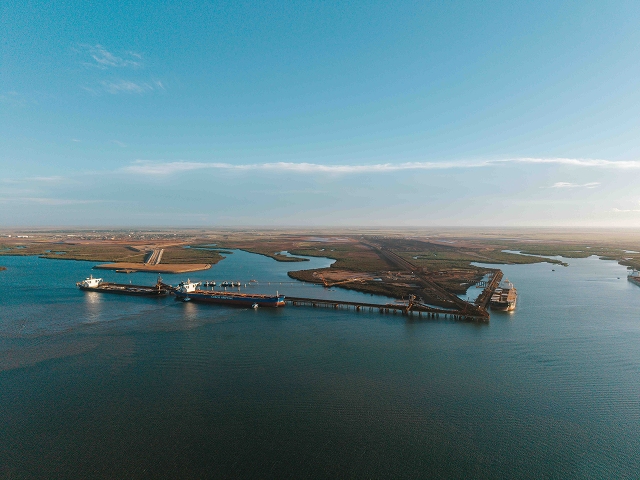
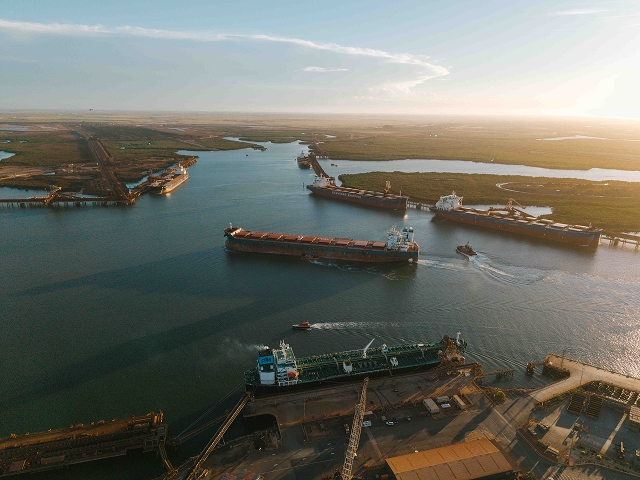
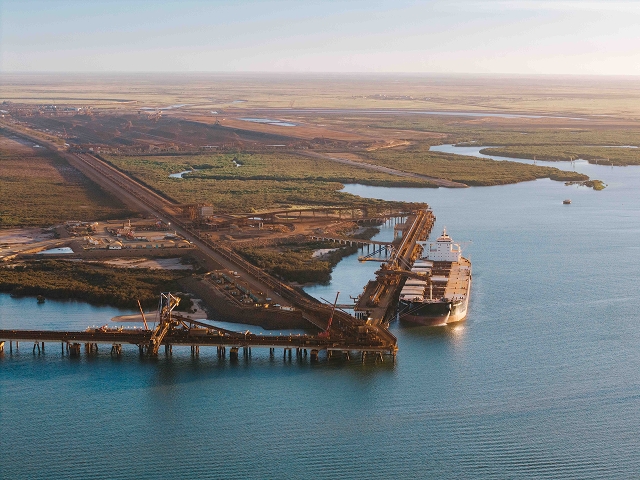
At Anderson Point in Port Hedland, Fortescue relies on its wharf assets to support the continuous export of iron ore through one of the world’s busiest bulk ports. The volume of throughput, combined with the harsh and corrosive marine environment, places relentless pressure on this infrastructure. To preserve design life and ensure operational continuity, Fortescue required a proactive program of structural remediation.
Proven capability in delivering structural remediation scopes has established TAMS as a trusted partner for Fortescue. The relationship is underpinned by a long-term engagement model that ensures continuity, collaboration, and reliable delivery of critical services.
From the outset, the approach focussed on embedding a relationship-contracting model that aligned with Fortescue’s long-term asset management strategy, supported by TAMS’ Port Hedland Shore Base. This facility became the operational hub for workforce deployment, equipment staging, and mobilisation, ensuring responsive delivery within the constraints of live port operations.
Scope of Work
The program was technically demanding and sequenced around tidal windows, vessel movements, and seasonal weather. Key works included:
- Steelwork remediation to restore structural capacity.
- Seaside and landside rail replacements to ensure crane reliability.
- Dolphin and fender remediation to safeguard berthing vessels.
- Walkway replacement and rail clip installation to improve safety.
- Pile wrapping to arrest corrosion and extend pile life.
- Concrete panel replacement, treatment, and hydro demolition.
- Wall sheeting and floor plate replacement.
- Blasting, painting, and protective coating systems.
- Specialist diving services to support sub-sea remediation.
Delivering this range of works required a multi-disciplinary, self-perform team comprising marine crews, structural trades, coatings specialists, and divers. To support the program, TAMS deployed a tailored fleet: AMS Boss and TAMS9 for heavy lifting and transport; scissor barges and work punts for access; and a dedicated blast and paint spread to manage coatings in a challenging marine environment.
Solution
Fortescue and TAMS established joint planning frameworks to integrate project scheduling with operational requirements. Frequent engagement aligned scope priorities with Fortescue’s asset strategies, creating a program that adapted to shifting needs while minimising disruption to export operations.
Traditional wharf remediation often relies on scaffolding, which increases risk and slows progress. TAMS developed a purpose-built access system that reduced manual handling, improved safety, and accelerated delivery. Combined with the use of purpose-designed marine assets, this innovation demonstrated the advantage of applying specialist expertise to complex marine remediation.
Each year of the program is built upon lessons learned from the previous phase. Improvements in methodology, safety practices, and sequencing were embedded into subsequent work packages. This annuity approach provided Fortescue with cost certainty, reliability of delivery, and incremental efficiency gains over time.
The Port Hedland Shore Base played a pivotal role in ensuring continuity. By staging materials and workforce locally, TAMS streamlined mobilisation, improved responsiveness, and reduced costs.
Project gallery